

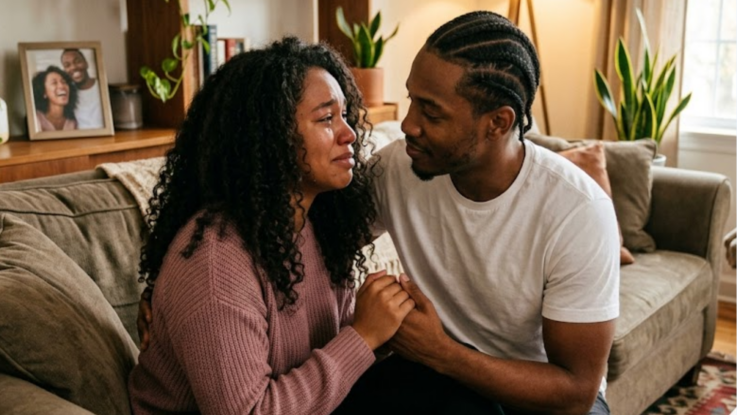
Forgiveness is one of the most misunderstood principles in relationships. Many people avoid it because they believe forgiving someone means excusing what happened, pretending it didn’t hurt, or erasing the memory completely. The truth is, forgiveness is not about forgetting. It is about freedom.
When pain enters a relationship, whether through betrayal, broken trust, harsh words, or unmet expectations, it leaves a mark. That mark can grow into resentment if it is not addressed. Resentment does not just sit quietly. It shapes how you see your partner, how you respond to conflict, and how safe or unsafe the relationship feels. Over time, it builds emotional walls that block connection, intimacy, and growth.
Forgiveness is the process of tearing those walls down. It is not a denial of pain. It is a decision to no longer allow that pain to control your heart, your thoughts, or your future. Forgiveness is a release. It says, “What happened mattered, but it will not define me or imprison me.”
In marriage and committed relationships, forgiveness is not optional. It is essential. Two imperfect people will inevitably hurt each other. The difference between relationships that thrive and those that fall apart is not the absence of hurt. It is the presence of forgiveness.
Forgiveness does not mean you forget what happened. In fact, remembering can be part of the healing process. Remembering allows you to learn, to set healthy boundaries, and to grow wiser. What changes is not your memory, but your emotional attachment to the pain. Instead of reliving it with anger, you begin to see it through a lens of growth and grace.
Forgiveness also does not always mean immediate reconciliation. Trust takes time to rebuild. Boundaries may need to be established or strengthened. Forgiveness is the internal work of releasing bitterness, while reconciliation is the relational work of restoring connection. Both are important, but they do not always happen at the same pace.
One of the greatest barriers to forgiveness is the belief that holding onto hurt somehow protects you. In reality, it does the opposite. It keeps you stuck. It drains your emotional energy. It affects your peace, your mental clarity, and your ability to fully show up in your relationship. Choosing forgiveness is choosing to take your power back.
There is also a spiritual dimension to forgiveness. When you release what someone has done to you, you create space for healing, grace, and renewal. You begin to reflect the kind of love that is patient, enduring, and transformative. Forgiveness aligns your heart with freedom, not just for the relationship, but for yourself.
Forgiveness is a process. It may not happen in a single moment. It may require revisiting the decision more than once, especially when triggers arise. That does not mean you have failed. It means you are healing. Each time you choose to release the offense again, you strengthen your ability to live free from it.
If you are holding onto something today, consider what it is costing you. Consider how it is affecting your relationship, your peace, and your future. Then ask yourself if you are ready to be free.
Forgiveness is not about letting someone off the hook. It is about taking yourself off the hook of carrying pain that was never meant to stay. It is about choosing freedom over bondage, growth over stagnation, and love over resentment.
Forgiveness is not forgetting. It is freedom.