

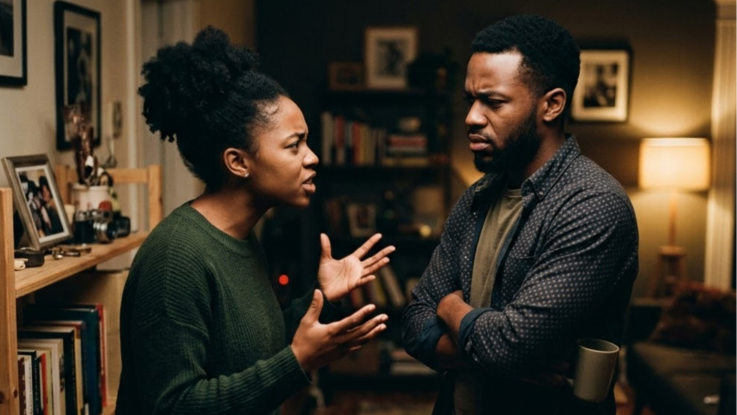
Conflict is not the enemy of marriage. Silence, resentment, pride, and unresolved wounds are.
Every healthy marriage will experience disagreements. Two people with different personalities, experiences, communication styles, expectations, and emotional needs cannot share a life together without moments of tension. The issue is not whether conflict will happen. The issue is how couples respond when it does.
Many couples fear conflict because they have only seen unhealthy examples of it. Some grew up in homes where yelling, manipulation, criticism, or emotional distance were normal. Others learned to avoid difficult conversations completely. As a result, couples either fight to win or avoid conflict altogether. Neither approach produces intimacy.
Biblical conflict resolution offers a different path.
God never intended for marriage to become a battlefield where spouses attack each other emotionally, mentally, or spiritually. Marriage was designed to reflect unity, grace, forgiveness, growth, and love. Conflict handled in a healthy way can actually deepen trust, strengthen communication, and create emotional safety between husband and wife.
Fighting fair does not mean pretending everything is perfect. It means learning how to disagree with wisdom, maturity, honor, and self-control.
Conflict Is Not Always a Sign of a Bad Marriage
One of the biggest misconceptions about marriage is that healthy couples never argue. In reality, healthy couples learn how to navigate conflict without destroying one another in the process.
Disagreements often reveal deeper issues beneath the surface. Sometimes conflict exposes unmet needs, stress, disappointment, insecurity, poor communication habits, exhaustion, financial pressure, or emotional wounds that have never healed.
Instead of viewing conflict as proof that a marriage is failing, couples can begin seeing conflict as an opportunity for understanding and growth.
The Bible reminds us in James 1:19:
“Everyone should be quick to listen, slow to speak and slow to become angry.”
This scripture alone could transform many marriages if practiced consistently.
Healthy conflict resolution begins with listening. Most couples listen to respond, defend, or correct instead of listening to understand. When spouses feel unheard, frustration increases. But when people feel seen, heard, and valued, walls begin to come down.
Stop Fighting Against Each Other and Start Fighting for the Marriage
In heated moments, it becomes easy to view your spouse as the problem. Hurtful words are exchanged. Defensive attitudes rise. Old wounds resurface. Before long, the conversation becomes more about winning than resolving.
Biblical conflict resolution shifts the focus.
Your spouse is not your enemy.
The real enemy is division, bitterness, pride, unforgiveness, and unhealthy communication patterns that slowly damage connection over time.
Strong couples understand that they are on the same team. Even during disagreement, they work toward resolution rather than emotional destruction.
This means avoiding behaviors such as:
- Bringing up past mistakes repeatedly
- Using insults or sarcasm
- Threatening divorce during arguments
- Giving the silent treatment
- Interrupting constantly
- Publicly embarrassing one another
- Weaponizing vulnerabilities shared in trust
Words have power. Once spoken, hurtful words can leave emotional scars that last for years.
Ephesians 4:29 teaches:
“Do not let any unwholesome talk come out of your mouths, but only what is helpful for building others up.”
Healthy communication does not ignore truth. It simply delivers truth with love, wisdom, and respect.
Learn the Difference Between Reacting and Responding
Many marital conflicts escalate because couples react emotionally before processing what is actually happening.
Reaction is often fueled by anger, fear, frustration, insecurity, or past pain.
Response requires patience, wisdom, emotional maturity, and self-control.
When couples learn to pause before responding, they create space for healthier communication.
Instead of saying:
“You never care about me.”
Try saying:
“I feel disconnected and I need more emotional support from you.”
Instead of:
“You always mess everything up.”
Try:
“I think we need to work together differently on this situation.”
The goal is not to avoid difficult conversations. The goal is to communicate without attacking one another’s character.
Tone matters.
Timing matters.
Words matter.
Sometimes the healthiest thing a couple can do is take a short break to calm emotions before continuing the conversation respectfully.
Forgiveness Is Essential in Every Marriage
No marriage survives long-term without forgiveness.
People make mistakes. Spouses disappoint one another. Misunderstandings happen. Emotional wounds occur. Holding onto resentment only creates emotional distance and bitterness.
Forgiveness does not mean pretending pain never happened. It means refusing to allow pain to control the future of the relationship.
Colossians 3:13 says:
“Bear with each other and forgive one another if any of you has a grievance against someone. Forgive as the Lord forgave you.”
Many couples struggle because they keep score. Every disagreement becomes connected to unresolved offenses from years ago.
Healthy marriages learn how to address issues, heal, forgive, and move forward together.
Forgiveness restores emotional intimacy.
Forgiveness restores trust.
Forgiveness creates room for healing.
Prayer Changes the Atmosphere of Conflict
One of the most overlooked tools in marriage is prayer.
It is difficult to remain prideful, hostile, or hardened while sincerely praying together.
Prayer invites God into the middle of conflict. It softens hearts, increases humility, and reminds couples that marriage is not just a legal covenant but a spiritual one.
Couples who pray together often experience deeper emotional connection because prayer creates vulnerability, honesty, and unity.
When conflict arises:
- Pray before responding in anger
- Pray for wisdom
- Pray for understanding
- Pray for your spouse’s heart
- Pray for healing and restoration
God cannot heal what couples refuse to surrender.
Healthy Conflict Can Produce Stronger Intimacy
Some of the strongest marriages are not the ones without problems. They are the ones that learned how to grow through problems together.
Conflict handled with love, humility, honesty, and grace can produce:
- Greater trust
- Better communication
- Emotional safety
- Deeper understanding
- Increased compassion
- Spiritual growth
- Stronger partnership
Every disagreement becomes an opportunity to choose connection over division.
Marriage requires intentional effort. It requires humility. It requires accountability. It requires growth.
Most importantly, it requires love that reflects the heart of God.
Final Thoughts
Fighting fair is not about avoiding conflict. It is about protecting the covenant while navigating conflict wisely.
A healthy marriage is not built by perfect people. It is built by people willing to communicate, forgive, grow, pray, and keep choosing one another even during difficult seasons.
Biblical conflict resolution teaches couples that love is not proven during easy moments. Love is revealed in how we handle hard moments.
When couples stop fighting to win and start fighting for the health of the marriage, healing becomes possible.
Every disagreement does not have to end in damage.
With God, wisdom, and intentional communication, conflict can become the very thing that strengthens the foundation of a marriage.