

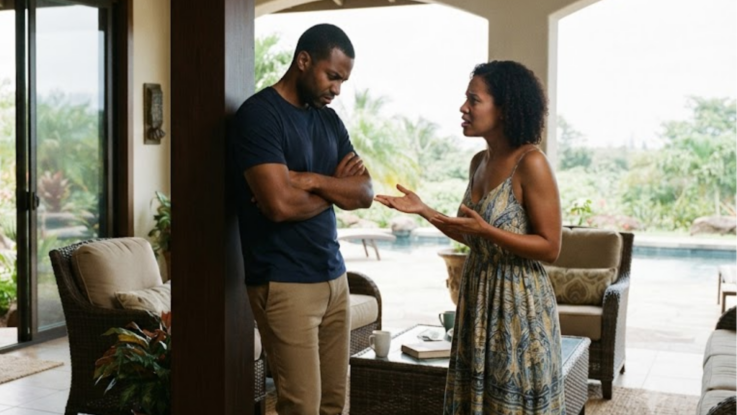
Conflict is a normal part of marriage. Two people can love each other deeply and still disagree, misunderstand one another, or respond differently when emotions run high.
The difference isn't whether conflict happens. It's how we handle ourselves when it does.
Self-awareness gives us the ability to pause and ask, “What is happening inside of me right now?”
Am I angry? Hurt? Feeling rejected? Defensive? Afraid of being misunderstood?
Sometimes what we bring into an argument isn't only about what our spouse just said. Past experiences, disappointments, stress, and unresolved emotions can influence how we respond.
When we become more aware of ourselves, we can begin responding instead of reacting.
Instead of saying, “You always do this,” we can say, “When this happens, I feel hurt and I need us to talk about it.”
Instead of trying to prove that we're right, we can become curious about what our spouse is experiencing.
Instead of immediately defending ourselves, we can pause and listen.
Self-awareness doesn't mean taking responsibility for everything that goes wrong. It means being honest about our own words, emotions, reactions, and contribution to the conflict.
A healthy marriage isn't built by two people who never get upset.
It is built by two people who are willing to recognize when they are becoming disconnected and make the choice to reconnect.
The next time conflict begins, take a moment before responding.
Ask yourself:
What am I feeling?
What am I really needing?
What am I bringing into this conversation?
Am I trying to understand, or am I simply trying to win?
Sometimes the most powerful change in a conflict begins when we stop asking, “What's wrong with my spouse?” and start asking, “What can I understand about myself?”
Self-awareness can turn a heated moment into an opportunity for understanding, growth, and deeper connection.
Because the goal of conflict isn't to have a winner.
The goal is to protect the relationship while working through the problem together.