

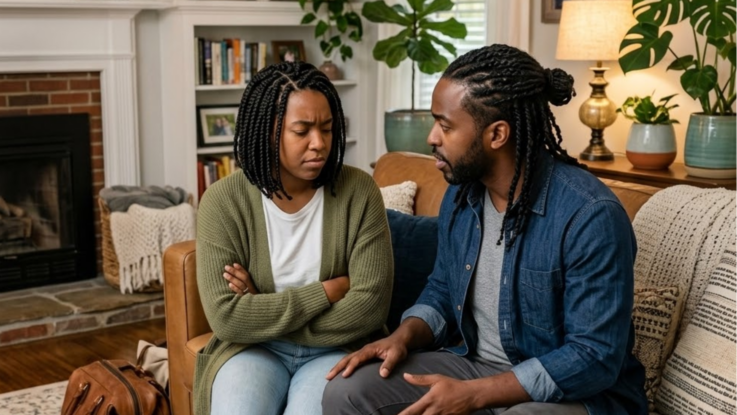
Trust is one of the most valuable foundations of a healthy relationship. It creates safety, strengthens connection, and allows couples to be vulnerable with one another. But what happens when that trust is broken?
Whether trust was damaged through dishonesty, broken promises, infidelity, secrecy, or repeated disappointments, the pain can feel overwhelming. Many couples find themselves asking the same question:
Can trust ever be rebuilt?
The answer is yes—but rebuilding trust takes time, commitment, and intentional effort from both partners.
Trust Is Not Rebuilt Overnight
One of the biggest mistakes couples make is expecting trust to return immediately after an apology.
While forgiveness may begin quickly, trust often takes much longer to restore.
Trust is rebuilt through consistent actions over time. It requires a pattern of honesty, reliability, and accountability that demonstrates genuine change.
Words may open the door, but actions rebuild the bridge.
The Importance of Ownership
When trust has been broken, healing begins when the person responsible takes ownership of their actions.
True ownership means:
- Accepting responsibility without excuses.
- Acknowledging the pain caused.
- Being willing to answer difficult questions.
- Demonstrating transparency moving forward.
Healing becomes difficult when blame, defensiveness, or minimizing the hurt takes center stage.
Consistency Creates Confidence
Trust grows when behavior becomes predictable.
When a spouse consistently follows through on commitments, communicates openly, and demonstrates integrity, confidence slowly begins to return.
Small acts of consistency matter:
- Keeping promises.
- Being truthful.
- Showing up when expected.
- Following through on commitments.
- Maintaining transparency.
Over time, these actions help create a new foundation.
The Hurt Partner's Role in Healing
Rebuilding trust is not solely the responsibility of the person who caused the hurt.
The injured partner must also be willing to participate in the healing process.
This may include:
- Communicating feelings honestly.
- Allowing room for growth and change.
- Establishing healthy boundaries.
- Seeking counseling or support when needed.
- Being open to the possibility of restoration.
Healing does not mean forgetting what happened. It means learning how to move forward in a healthier way.
Faith, Grace, and Restoration
As Christians, we understand the power of redemption.
God specializes in restoring what has been broken. While trust may be damaged, it does not automatically mean a relationship is beyond repair.
With humility, accountability, grace, and commitment, many couples emerge from difficult seasons stronger than before.
Psalm 147:3 reminds us:
"He heals the brokenhearted and binds up their wounds."
Healing is possible.
Restoration is possible.
Growth is possible.
A Challenge for Couples
If trust has been damaged in your relationship, focus less on quick fixes and more on consistent progress.
Ask yourself:
- What actions can I take today to build trust?
- How can I demonstrate honesty and transparency?
- What conversations need to happen for healing to begin?
Trust may not be rebuilt in a day, but it can be rebuilt one honest conversation, one kept promise, and one faithful step at a time.
The truth is this: Trust can be rebuilt when both people are committed to healing, growth, and restoration.