

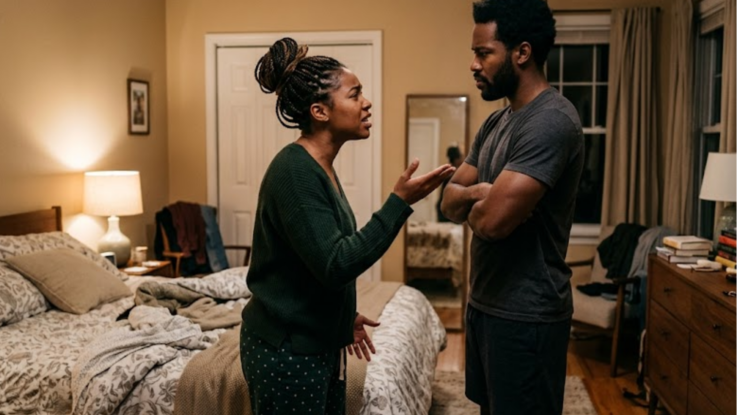
Every marriage experiences moments of conflict. Disagreements are normal, but when the same arguments happen repeatedly without resolution, they become negative communication cycles. Over time, these unhealthy patterns create emotional distance, resentment, frustration, and loneliness. Couples often find themselves asking, "Why do we keep having the same argument?"
The answer isn't always the topic of the disagreement. More often, it's the unhealthy pattern of communication surrounding it.
What Is a Negative Communication Cycle?
A negative communication cycle is a repeated pattern where each spouse reacts to the other in ways that unintentionally make the conflict worse. One partner may criticize, while the other becomes defensive. One may withdraw, while the other pursues harder. Without realizing it, both people reinforce the very behavior they dislike.
Eventually, the issue is no longer about finances, parenting, intimacy, or household responsibilities. The relationship becomes trapped in a cycle where neither person feels heard, understood, or valued.
Recognizing the Warning Signs
Breaking the cycle begins with awareness. Ask yourself:
• Do we argue about the same issues repeatedly?
• Do conversations quickly become defensive?
• Does one of us shut down while the other keeps pushing?
• Do we assume negative intentions instead of asking questions?
• Do conflicts leave us feeling emotionally disconnected?
If you answered yes to several of these questions, you're not alone. Many healthy marriages experience these patterns before learning new ways to communicate.
Shift from Winning to Understanding
One of the greatest mistakes couples make is trying to win the argument instead of understanding each other.
Healthy communication begins when both spouses ask, "What is my partner feeling right now?" rather than, "How do I prove I'm right?"
Listening with empathy doesn't mean you agree with everything your spouse says. It simply communicates that their feelings matter.
Feeling understood often reduces tension faster than finding the perfect solution.
Respond Instead of React
Emotions can cause us to speak before we think. When conversations become heated, pause before responding.
Take a deep breath.
Pray if needed.
Choose words that build instead of destroy.
A thoughtful response invites connection, while an emotional reaction often creates more distance.
Replace Blame with Ownership
Instead of saying:
"You never listen."
Try saying:
"I feel unheard when we're talking because I don't feel like my concerns are being understood."
Taking ownership of your feelings encourages productive conversations rather than defensive reactions.
Small changes in wording can completely change the direction of a discussion.
Practice Daily Connection
Strong communication isn't built only during conflict. It grows through consistent daily connection.
Spend intentional time together without distractions.
Ask meaningful questions.
Express appreciation often.
Pray together.
Celebrate small victories.
These habits strengthen emotional intimacy, making difficult conversations easier when challenges arise.
Give Grace During Growth
No couple changes overnight. Breaking unhealthy communication patterns requires patience, humility, forgiveness, and commitment.
There will be setbacks. There will be difficult conversations. But every healthy conversation is another step toward rebuilding trust and strengthening your marriage.
Remember that your spouse is not your enemy. The unhealthy communication cycle is.
When both husband and wife choose love over pride, understanding over assumptions, and grace over criticism, lasting transformation becomes possible.
Final Thoughts
Every healthy marriage is built one conversation at a time.
You don't have to stay trapped in the same arguments year after year. With intentional communication, active listening, personal responsibility, and God's guidance, couples can replace destructive cycles with healthy, life-giving conversations.
Healing begins the moment one person chooses to communicate differently.
That choice could start today.